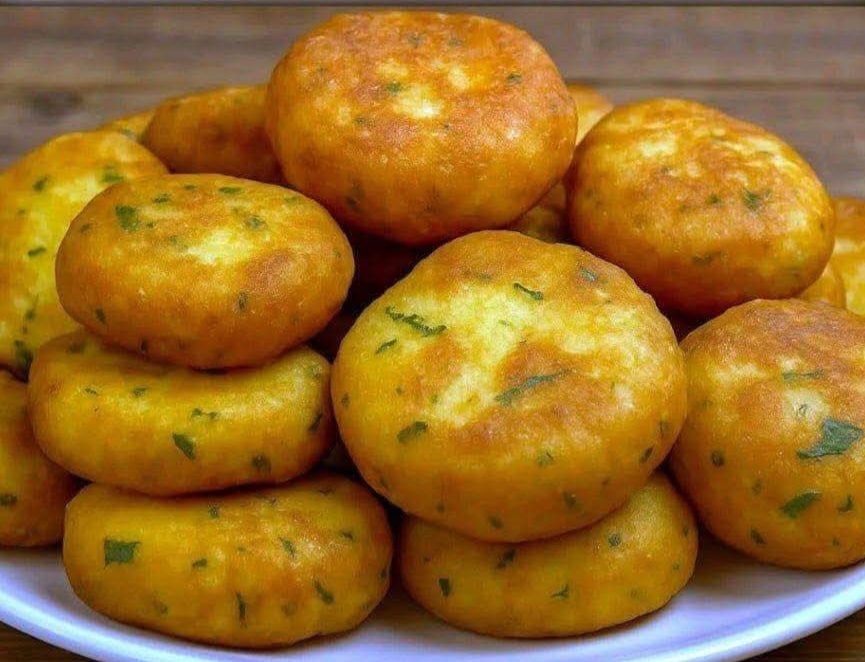
Famous Cream Puffs — The Cloud-Light French Pastry That Melts in Your Mouth (Choux Pastry + Silky Cream)
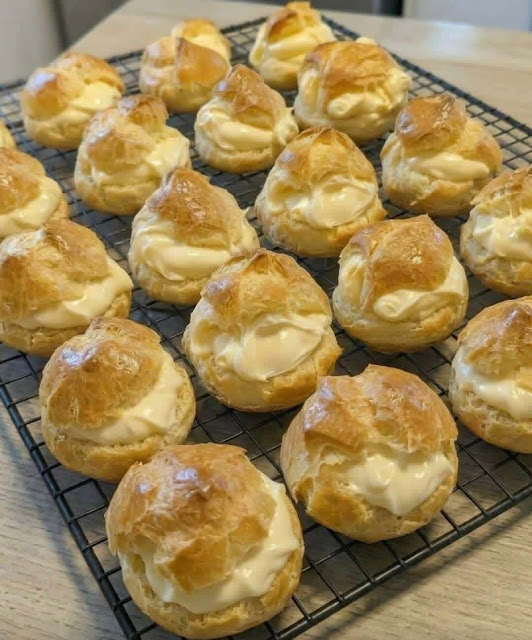
Few desserts capture elegance and comfort in a single bite quite like the famous cream puff. With its delicate, hollow shell and luscious creamy center, this cloud-light French pastry has enchanted dessert lovers for centuries. Crisp on the outside, airy within, and filled with silky cream that melts effortlessly on the tongue, cream puffs are the kind of treat that feel both luxurious and nostalgic.
At the heart of this classic lies one of French pastry’s most versatile creations: choux pastry, known in French as pâte à choux. Mastering this dough unlocks a world of iconic desserts, from cream puffs to éclairs and beyond. Let’s explore the history, science, technique, and irresistible charm behind this timeless pastry.
A Brief History of Cream Puffs
Cream puffs trace their origins back to Renaissance Europe. The invention of choux pastry is often credited to Catherine de’ Medici’s Italian chef, who introduced early versions of the dough to France in the 16th century. Over time, French pastry chefs refined the technique, transforming it into the airy masterpiece we recognize today.
By the 18th and 19th centuries, choux pastry became a foundation of French pâtisserie. Legendary chef Marie-Antoine Carême elevated the art of pastry, standardizing many classic techniques that are still used in professional kitchens around the world.
Cream puffs, or choux à la crème, soon gained popularity across Europe and eventually the globe. Today, they appear at weddings, holidays, bakeries, and high-end dessert tables, admired for their lightness and versatility.
What Makes Choux Pastry Unique?
Unlike most pastry doughs, choux pastry does not rely on chemical leaveners like baking powder or yeast. Instead, it depends entirely on steam.
The dough is made from a simple mixture of:
Water (or milk)
Butter
Flour
Eggs
A pinch of salt (and sometimes sugar)
What makes choux special is its cooking method. The liquid and butter are heated together, then flour is added and cooked on the stove before eggs are incorporated. This pre-cooking process gelatinizes the starches in the flour, creating a thick paste.
When piped and baked in a hot oven, the high moisture content turns into steam. That steam expands rapidly, puffing up the dough and creating a hollow center. The result? A crisp golden shell with an airy interior perfect for filling.
The Anatomy of a Perfect Cream Puff
A truly exceptional cream puff balances texture and flavor in harmony. Let’s break it down:
1. The Shell: Light, Crisp, and Hollow
The outer shell should be:
Golden brown
Crisp but delicate
Completely hollow inside
Structurally strong enough to hold filling
If underbaked, the shell collapses. If overmixed, it becomes dense. Precision matters, but once you understand the technique, it becomes beautifully reliable.
2. The Filling: Silky, Rich, and Balanced
Traditionally, cream puffs are filled with pastry cream (crème pâtissière), whipped cream, or a combination of both. The filling should be:
Smooth and lump-free
Light yet rich
Gently sweet, never overpowering
Flavorful but not heavy
The contrast between crisp shell and creamy center creates the iconic “melt-in-your-mouth” sensation.
Classic Filling Options
Cream puffs may look simple, but their versatility is extraordinary. Here are some beloved variations:
Vanilla Pastry Cream
The most traditional filling. Made with milk, egg yolks, sugar, and vanilla, this custard is thickened with starch and cooked gently until smooth and glossy.
Chantilly Cream
Lightly sweetened whipped cream flavored with vanilla. Airy and delicate, it enhances the “cloud-like” nature of the dessert.
Diplomat Cream
A luxurious blend of pastry cream and whipped cream. It combines structure with lightness, making it ideal for piping into delicate shells.
Chocolate Cream
Rich cocoa or melted chocolate folded into pastry cream for a deeper, more indulgent flavor.
Step-by-Step: How Cream Puffs Are Made
Step 1: Prepare the Choux Dough
Water and butter are brought to a boil. Flour is added all at once and stirred vigorously until the mixture forms a smooth ball and pulls away from the sides of the pan.
The dough is slightly cooled before eggs are added one at a time. The final texture should be smooth, glossy, and thick enough to hold its shape when piped.
Step 2: Pipe and Bake
Using a pastry bag, small rounds are piped onto parchment-lined baking sheets. They are baked at high heat initially to encourage rapid steam formation.
As they bake, they puff dramatically, forming hollow interiors. The oven temperature may be reduced slightly to dry out the shells and ensure crispness.
Step 3: Cool and Fill
Once completely cool, a small hole is made at the bottom or side of each puff. The filling is piped inside until the shell feels full and slightly heavy.
Finally, a light dusting of powdered sugar adds an elegant finish.
Why Cream Puffs Melt in Your Mouth
The magic lies in texture contrast:
The shell shatters delicately.
The filling dissolves smoothly.
Air pockets enhance lightness.
Balanced sweetness prevents heaviness.
Because the dough itself contains no sugar (or very little), the filling provides the primary sweetness. This prevents the dessert from feeling cloying.
Additionally, the high egg content in choux pastry contributes to tenderness and structure without density.
Famous Cream Puff Variations Around the World
Though French in origin, cream puffs have inspired countless global interpretations.
Éclairs
Long, oblong versions of choux pastry filled with cream and topped with glossy icing.
Profiteroles
Smaller puffs often filled with ice cream and drizzled with warm chocolate sauce.
Croquembouche
A dramatic tower of cream puffs bound together with caramel, often served at weddings in France.
Japanese Cream Puffs
In Japan, bakeries have elevated cream puffs into a cultural phenomenon, with ultra-crisp shells and custards infused with matcha, black sesame, or seasonal fruits.
Common Mistakes and How to Avoid Them
Even experienced bakers occasionally struggle with choux pastry. Here are common issues:
Flat Puffs
Cause: Oven not hot enough or dough too runny. Fix: Ensure proper oven temperature and add eggs gradually.
Collapsing Shells
Cause: Underbaking. Fix: Bake until deeply golden and dry inside.
Dense Texture
Cause: Too much flour or insufficient steam. Fix: Measure carefully and avoid opening the oven too early.
Mastery comes with practice — and once achieved, it feels like unlocking a secret of French pastry artistry.
Serving and Presentation Ideas
Cream puffs are stunning in their simplicity, but they can also be dressed up:
Drizzle with dark chocolate ganache
Dip tops in caramel glaze
Fill with flavored creams (coffee, pistachio, hazelnut)
Stack into towers for celebrations
Slice and layer with berries for a modern twist
For formal occasions, cream puffs can be arranged on tiered trays or dusted lightly with edible gold powder.
Storage and Freshness
Cream puffs are best enjoyed fresh. Once filled, they should be refrigerated and consumed within 24 hours.
Unfilled shells can be stored in an airtight container at room temperature for one to two days. They may also be frozen and re-crisped in the oven before filling.
The key is keeping moisture under control — too much humidity softens the crisp shell.
Why Cream Puffs Endure Through Generations
In a world of ever-changing food trends, cream puffs remain timeless. Their simplicity is their strength. They require no exotic ingredients, yet deliver refined elegance.
They are nostalgic yet sophisticated. Light yet indulgent. Classic yet endlessly adaptable.
Perhaps their enduring appeal lies in their transformation: from humble paste to airy, golden cloud — from simple cream to silky luxury.
Few desserts achieve such dramatic contrast with such minimal ingredients.
The Art and Science in Harmony
Cream puffs represent the perfect marriage of science and artistry. The physics of steam expansion, the chemistry of eggs and starch, and the skill of the baker all converge in one small pastry.
When done correctly, the result feels almost magical. You bite through a whisper-thin shell, and suddenly, cool, smooth cream floods your senses. It is delicate yet satisfying — light yet rich.
That balance is what makes cream puffs legendary.
Final Thoughts
Famous cream puffs are more than just pastries — they are edible clouds crafted through centuries of culinary refinement. From Renaissance kitchens to modern bakeries, from elegant weddings to cozy family gatherings, they continue to delight generation after generation.
With their airy choux pastry and silky cream filling, they embody everything that makes French pastry so revered: precision, beauty, texture, and indulgence.
The next time you enjoy one, take a moment to appreciate the craftsmanship behind it. What seems simple is, in truth, a masterpiece of technique.
And when that delicate shell gives way to smooth cream that melts instantly on your tongue, you’ll understand why cream puffs have remained famous — and beloved — for centuries.